


Featured on

FOOD NETWORK+ HBO MAX

Gullah Geechee CATERING Excellence

Green bean-shaped icon on a white background

Proud Members Of...

Row of organization logos on a white banner, including Lowcountry, SMBCC, and other partner marks

EXPERIENCE AUTHENTIC, GULLAH CUISINE.

You've just found the Gullah Geechee Cuisine that thousands

across the country rave about.

Premiere Catering Company in Charleston, SC

Carolima's Lowcountry Cuisine is a food catering service specializing in Gullah Geechee catering, an authentic African American cuisine that combines African cooking techniques with local ingredients. We offer catering for every event, including: luncheons, breakfasts, and family reunions, in Charleston, SC.


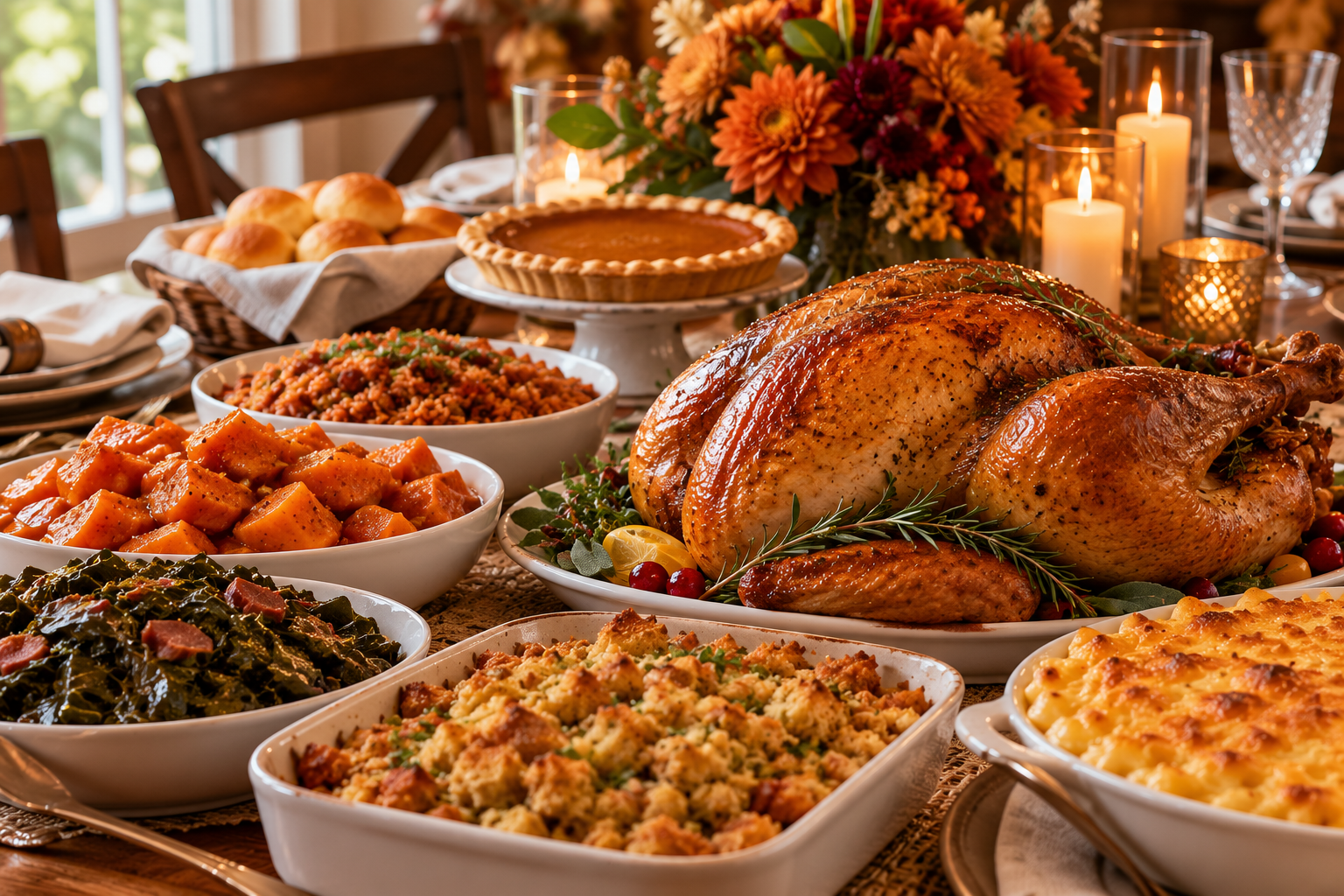
Most people have indulged in Gullah Geechee cuisine without realizing it. Okra soup, seafood soups, red rice, garlic crabs, grits, and oysters are all a part of Lowcountry cooking, with an emphasis on seafood and grains. If you’re not a huge seafood fan, our catering company also makes amazing fried chicken, roast beef, mac n’ cheese, and scrumptious breakfast dishes!

Authentic, Quality Cuisine Made with Love.

We take both our food, and our business, seriously. As caterers, we are determined to serve delicious, high-quality food at your event, made perfectly for you and your guests! We consider ourselves ambassadors for Gullah Geechee food and culture, so it’s our goal to ensure you have the best possible service and love the food!


Contact us today to schedule your catering order!

how can we serve you
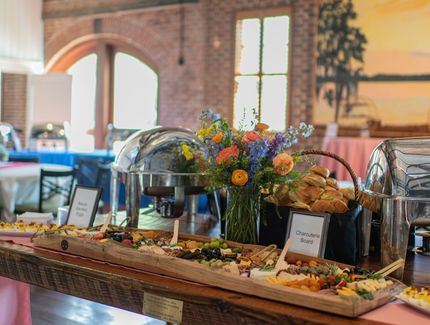
Buffet table with pastries, fruit, and flowers in a warmly lit rustic indoor venue

Full Service Catering

Elevate your events with our Gullah Geechee-inspired full-service catering. Immerse yourself in tradition and convenience, letting us handle every detail for a professionally presented and culturally rich experience.
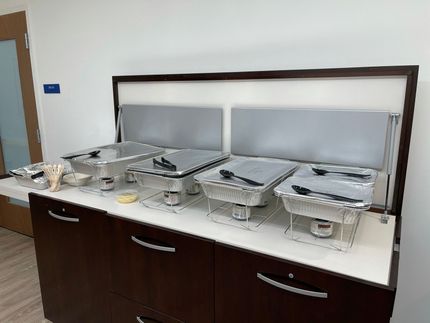
Self-serve buffet with covered stainless-steel food trays on a dark wood counter.

Drop-Off Services

Savor the taste of Gullah Geechee excellence at your convenience. Our drop-off services bring carefully curated menus straight to your doorstep, ensuring culinary delight without the need for on-site staff.
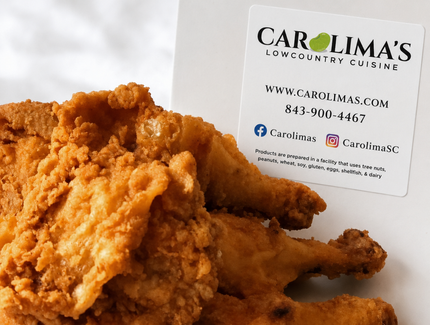
Fried chicken pieces on a white plate with a Carlina’s logo in the background

Pick-Up Services

Enjoy culinary excellence on your terms. With our pick-up services, select your favorites from our diverse menu and elevate your gatherings with Gullah Geechee-inspired cuisine, ready for pick-up at your convenience.

Contact Us
WE ARE YOUR PARTNER IN AUTHENTIC GULLAH CUISINE.

are YOU looking for something different?

Well...You've found it!
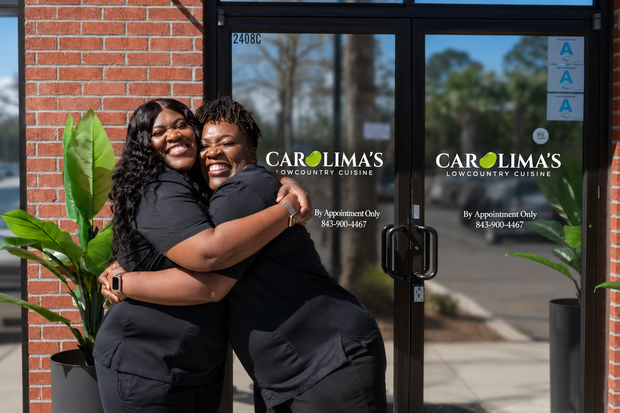
Two people hugging outside a brick storefront with glass doors and yellow lettering

'We be da' DYNAMIC DUO

Hey there! Sameka & 'Emma, your Gullah Geechee Chefs in the kitchen.


As sisters with a passion for cooking, we bring a unique blend of cultural heritage and culinary expertise to your dining experience. Explore our Gullah infused menus and let us elevate your next event with the rich and authentic taste of Carolima’s.


From savory delights to sweet treats, we craft culinary experiences that go beyond the ordinary. Join us on a flavorful journey that celebrates tradition, flavor, and the vibrant spirit of the Lowcountry. Can't wait to make your next event truly special!

Sameka & 'Emma

Contact Us

Check Out What's New In The Blog

By Kamryn Jenkins September 1, 2026
For generations, Black cooks have had a way of taking ingredients that others overlooked and turning them into dishes people couldn't wait to eat. That history wasn't always born from choice. During slavery and in the generations that followed, Black families often had limited access to the most desirable cuts of meat. What was available might include tougher, less popular cuts or parts of the animal that wealthier households didn't want. Instead of letting those ingredients define the meal, our ancestors used seasoning, patience, and techniques passed down through generations to make them their own. Oxtail is a perfect example. For years, oxtail was considered an inexpensive, undesirable cut. Black families throughout the African diaspora—including Caribbean, African, and Black American communities—turned it into deeply flavorful dishes that became part of their food traditions. Now, oxtail is everywhere. You'll find oxtail pasta, tacos, egg rolls, pizza, grilled cheese, and even upscale restaurant interpretations. What was once considered a "poor man's" cut has become so popular that buying oxtail today can feel like buying a premium steak. And there's a certain irony in that. The food didn't suddenly become worthy of attention. The people who had been cooking it all along already knew its value. Oxtail isn't the only example. Ham hocks, neck bones, pig's feet, chitterlings, pork belly, and other cuts that were once dismissed have long had a place in Black kitchens. They seasoned pots of greens, stretched meals to feed families, and eventually became dishes and flavors associated with Southern and soul food traditions. That tradition of making use of the whole animal is still being explored and documented today. Lowcountry native Amethyst Ganaway—chef, author, and culinary historian—is currently working on a cookbook titled Black South: Recipes From the Roota to the Toota in April of 2027. The title itself reflects a philosophy generations of Black cooks understood well: very little needed to go to waste. Cuts and ingredients that others overlooked could still have a place at the table, and the knowledge of what to do with them became part of our culinary traditions. Today, chefs call it nose-to-tail cooking. Restaurants describe these ingredients as elevated or gourmet . Foods that were once associated with poverty are being reintroduced to diners as something special—and often at a much higher price. There's nothing wrong with food evolving. In fact, it's exciting to see ingredients from Black food traditions receiving greater recognition and inspiring new dishes. But it's worth remembering where some of that creativity began. Black cooks didn't wait for these ingredients to become trendy to recognize their potential. They took what was available, added knowledge, technique, and flavor, and created food worthy of being passed from one generation to the next. So when you see an $18 oxtail egg roll or a gourmet oxtail pasta on a menu, remember: the presentation may be new, but the appreciation for that cut certainly isn't. We've been knowing what oxtail could do.
By Kamryn Jenkins August 18, 2026
Back-to-school season means new teachers, new routines, and, for parents, figuring out what these children are going to eat every day. But as another school year begins, it's also a reminder of how much the school experience has changed for Black children—including what's on their plates. For generations of Black Americans, education represented opportunity and freedom. During slavery, learning to read and write was often restricted or prohibited, yet Black people still found ways to learn and teach one another. After emancipation, newly freed Black communities made education a priority, establishing schools and fighting for opportunities that had long been denied to them. Even after schools were established, segregation meant Black children often attended schools with fewer resources. Families, teachers, churches, and communities stepped in to fill the gaps. Over generations, the fight moved from simply gaining access to education to demanding equal opportunities for Black students. And while the classroom was changing, school lunch was changing too. Remember When Lunch Looked Different? For some of our grandparents and great-grandparents, lunch might have been whatever could be prepared at home with what the family had available—a biscuit, leftover meat, fruit, cornbread, or another simple meal. As school meal programs expanded, hot cafeteria lunches became part of the school experience. Generations grew up eating everything from meatloaf and vegetables to those unforgettable rectangular slices of school pizza. Then came the lunchboxes many of us remember: sandwiches, chips, juice boxes, fruit cups, cookies, and maybe a handwritten note from Mama. And now? School lunch looks completely different. Open a child's lunchbox today and you might find wraps, yogurt, fresh berries, hummus, pasta, chicken nuggets in a thermos, or a little charcuterie-style lunch with everything divided into its own compartment. Kids have more options—and many of them have much stronger opinions about what they're willing to eat! Children are also exposed to foods from around the world much earlier. A child's favorite meal today might be tacos, sushi, pasta, or another dish that previous generations rarely, if ever, encountered in a school cafeteria. Our lives have changed too. Families are busier, convenience plays a bigger role, and the way we shop, cook, and prepare meals has evolved. But one thing hasn't changed: food is still a connection to home. Whether it was cornbread wrapped up for lunch generations ago or today's perfectly organized lunchbox, feeding our children is one of the simplest ways we care for them. As another school year begins, we're reminded of both how far we've come and how much has changed—from who had access to the classroom to what's packed inside the lunchbox.  Here's to a great school year—and to all the parents already wondering what they're packing for lunch tomorrow.
By Kamryn Jenkins August 11, 2026
Every time we spend money, we make a choice about what businesses, families, and communities we help sustain. As we recognize Black Business Month this August, we've been thinking about what it really means to support a Black-owned business. Of course, making a purchase matters. But support can also look like sharing a business with a friend, leaving a review, booking a service, attending an event, engaging with a social media post, or simply telling someone, "You need to check them out." There is a long history behind Black entrepreneurship in America, and one of the most powerful examples can be found in Tulsa, Oklahoma. In the early 1900s, Tulsa's Greenwood District became home to a thriving Black community filled with entrepreneurs, professionals, and families building lives for themselves despite segregation. Greenwood had Black-owned restaurants, hotels, grocery stores, theaters, salons, medical offices, and other businesses. The concentration of Black wealth and entrepreneurship became so notable that the area came to be known as Black Wall Street . What made Greenwood so powerful wasn't simply the number of Black-owned businesses. It was the community surrounding them. People supported their neighbors. Business owners employed people from the community. Money spent at one business could become income that was spent at another. In a country where segregation often prevented Black Americans from freely participating in the broader economy, communities like Greenwood created their own opportunities. That success was devastatingly interrupted during the Tulsa Race Massacre of 1921 , when a white mob attacked Greenwood, killing residents and destroying homes and businesses across the district. Generations of property, businesses, and wealth were lost. Yet the story of Black Wall Street isn't only a story of destruction. It's also a story about what Black entrepreneurship had already accomplished—and what the community worked to rebuild afterward. More than a century later, that part of the story still resonates with us. Owning a business can mean creating something that extends far beyond the person whose name is on the paperwork. A small business hires employees, pays other vendors, works with local professionals, supports community organizations, creates opportunities, and often opens doors for another entrepreneur coming behind them. We see that firsthand at Carolima's. When someone chooses us to cater an event, purchases one of our made-from-scratch desserts, books Sweetgrass Hall, recommends us to a friend, or simply shares our name with someone looking for a caterer, that support reaches further than one transaction. It helps us continue doing what we love while creating opportunities to work with other businesses and people throughout our community. And we're business owners, but we're customers too. Supporting Black businesses means intentionally looking around our own community and discovering the baker, photographer, restaurant owner, event planner, designer, farmer, contractor, boutique owner, or other entrepreneur who may be able to provide exactly what we're looking for. It doesn't mean that every purchase has to come from a Black-owned business. It simply means remembering that where we spend our money matters. Black Wall Street showed us what is possible when entrepreneurship, opportunity, and community come together. Black Business Month gives us an opportunity to celebrate that legacy while also recognizing the Black entrepreneurs who are building businesses right now. So this month, discover a Black-owned business you haven't tried before. Revisit one you already love. Tell somebody about them. Leave the review. Share the post. Buy the product. Book the service. Because sometimes supporting a small business feels like one simple purchase.  To the business owner, it can mean so much more.
Show More