


Featured on

FOOD NETWORK+ HBO MAX

Gullah Geechee CATERING Excellence

Green bean-shaped icon on a white background

Proud Members Of...

Row of organization logos on a white banner, including Lowcountry, SMBCC, and other partner marks

EXPERIENCE AUTHENTIC, GULLAH CUISINE.

You've just found the Gullah Geechee Cuisine that thousands

across the country rave about.

Premiere Catering Company in Charleston, SC

Carolima's Lowcountry Cuisine is a food catering service specializing in Gullah Geechee catering, an authentic African American cuisine that combines African cooking techniques with local ingredients. We offer catering for every event, including: luncheons, breakfasts, and family reunions, in Charleston, SC.


Most people have indulged in Gullah Geechee cuisine without realizing it. Okra soup, seafood soups, red rice, garlic crabs, grits, and oysters are all a part of Lowcountry cooking, with an emphasis on seafood and grains. If you’re not a huge seafood fan, our catering company also makes amazing fried chicken, roast beef, mac n’ cheese, and scrumptious breakfast dishes!

Authentic, Quality Cuisine Made with Love.

We take both our food, and our business, seriously. As caterers, we are determined to serve delicious, high-quality food at your event, made perfectly for you and your guests! We consider ourselves ambassadors for Gullah Geechee food and culture, so it’s our goal to ensure you have the best possible service and love the food!


Contact us today to schedule your catering order!

how can we serve you
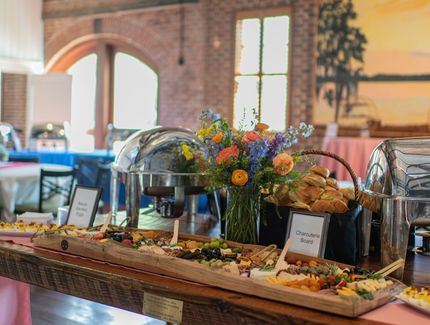
Buffet table with pastries, fruit, and flowers in a warmly lit rustic indoor venue

Full Service Catering

Elevate your events with our Gullah Geechee-inspired full-service catering. Immerse yourself in tradition and convenience, letting us handle every detail for a professionally presented and culturally rich experience.
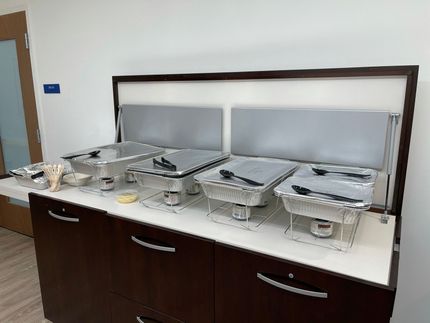
Self-serve buffet with covered stainless-steel food trays on a dark wood counter.

Drop-Off Services

Savor the taste of Gullah Geechee excellence at your convenience. Our drop-off services bring carefully curated menus straight to your doorstep, ensuring culinary delight without the need for on-site staff.
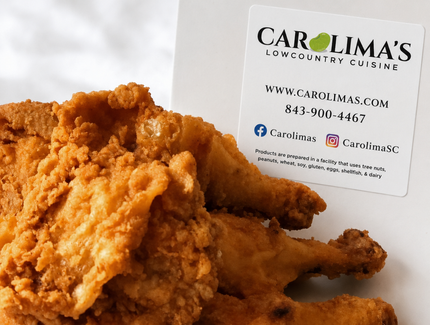
Fried chicken pieces on a white plate with a Carlina’s logo in the background

Pick-Up Services

Enjoy culinary excellence on your terms. With our pick-up services, select your favorites from our diverse menu and elevate your gatherings with Gullah Geechee-inspired cuisine, ready for pick-up at your convenience.

Contact Us
WE ARE YOUR PARTNER IN AUTHENTIC GULLAH CUISINE.

are YOU looking for something different?

Well...You've found it!
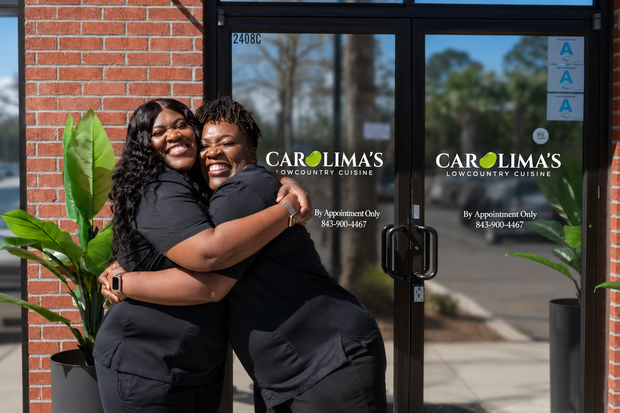
Two people hugging outside a brick storefront with glass doors and yellow lettering

'We be da' DYNAMIC DUO

Hey there! Sameka & 'Emma, your Gullah Geechee Chefs in the kitchen.


As sisters with a passion for cooking, we bring a unique blend of cultural heritage and culinary expertise to your dining experience. Explore our Gullah infused menus and let us elevate your next event with the rich and authentic taste of Carolima’s.


From savory delights to sweet treats, we craft culinary experiences that go beyond the ordinary. Join us on a flavorful journey that celebrates tradition, flavor, and the vibrant spirit of the Lowcountry. Can't wait to make your next event truly special!

Sameka & 'Emma

Contact Us

Check Out What's New In The Blog

By Kamryn Jenkins • October 6, 2026
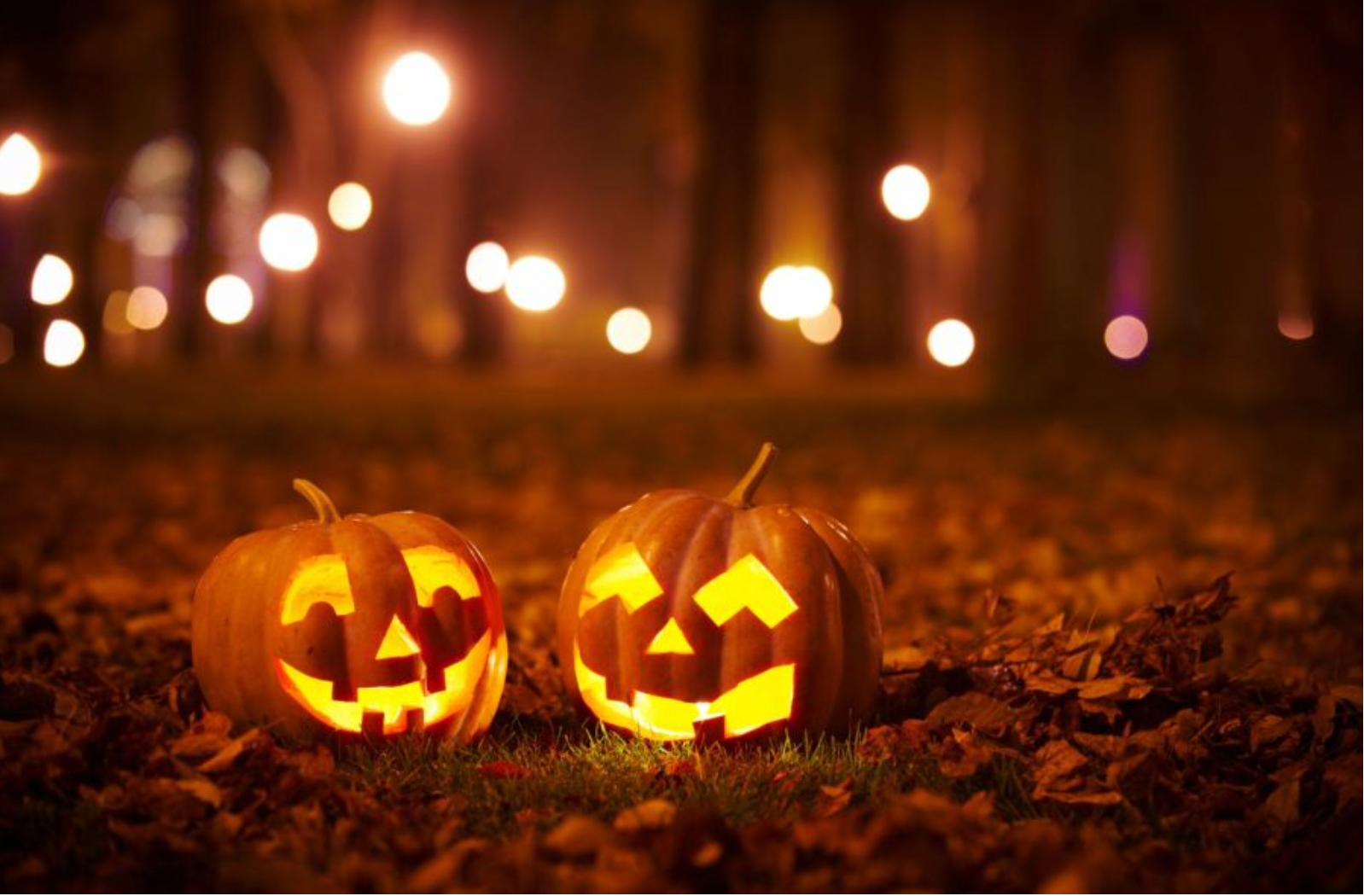
October is here, and apparently we don't just call it October anymore. It's officially "spooky season." The pumpkins are out, Halloween movies are playing, stores are filled with decorations, and families are already planning costumes and trips to the pumpkin patch. Halloween has become a full season of activities rather than just one night of trick-or-treating. But depending on how you grew up, especially in a Black household, Halloween may not have always been something your family celebrated. For some of us, October 31 meant costumes, candy, and going door to door with friends. For others, Halloween was completely off limits. And then there were plenty of families somewhere in the middle: you weren't going trick-or-treating, but you might have been headed to a church harvest festival, Hallelujah Night, or eventually a trunk-or-treat. That difference has a lot to do with the important role faith has historically played in many Black families and communities. When Halloween and Church Didn't Mix Halloween itself has a complicated history. Some of its traditions can be traced to the ancient Celtic festival of Samhain, while others developed through Christian observances and European customs that eventually evolved into the American Halloween we recognize today. By the early 20th century, American Halloween celebrations were increasingly centered around parties, games, costumes, and community rather than their earlier religious or supernatural associations. Still, not everyone viewed the holiday as harmless fun. In some Christian households, imagery involving witches, demons, ghosts, and the supernatural conflicted with religious beliefs. That concern wasn't exclusive to Black Christians, but it had particular resonance in communities where the church was deeply woven into family and community life. Research has found religious objections to Halloween among Christians generally, and surveys of pastors have found African American pastors among those more likely to encourage congregations to avoid the holiday. So families created alternatives. Church harvest festivals offered games, food, candy, and fellowship without calling the event Halloween. Hallelujah Nights did something similar, and trunk-or-treats eventually became another way for children to dress up and collect candy in a more controlled environment. Churches were among the early adopters of trunk-or-treat events, particularly as an alternative to traditional Halloween activities. If you grew up going to one of those events, you might remember that the difference between a "harvest festival" and a Halloween party could sometimes feel pretty small to a kid. There was still candy. There were still games. There might even have been costumes. We just weren't necessarily calling it Halloween. So What Changed? Today, it seems like more Black families are embracing at least some parts of spooky season. Social media is filled with family costumes, pumpkin-patch pictures, Halloween parties, decorated houses, and parents creating experiences with their children that may look different from what they experienced growing up. Part of that shift may simply be generational. Traditions evolve as families do. Some adults who weren't allowed to trick-or-treat as children don't attach the same religious meaning to Halloween today. For them, dressing their children as a favorite character, carving a pumpkin, or handing out candy isn't a spiritual practice at all—it's just fun. There's also simply more room now for families to decide what Halloween looks like in their own homes. Some embrace the whole spooky season. Some participate in costumes and candy but leave out witches, demons, or horror. Some prefer trunk-or-treats and fall festivals. And some still don't celebrate Halloween at all. None of those experiences represents every Black family, and that's really the point. Culture isn't frozen in place. The traditions one generation passes down aren't always practiced exactly the same way by the next. Sometimes we hold onto them, sometimes we adapt them, and sometimes we decide something different works better for our own families. Maybe that's why spooky season looks a little different now. For some Black families, Halloween has become another opportunity to dress up, eat too much candy, decorate the house, and make memories together. For others, October 31 will always be just another day—or a night better spent at the church fall festival. Either way, those choices tell an interesting story about how traditions evolve from one generation to the next.  And if nothing else, we can probably all agree on one thing: October is a pretty good excuse to eat something sweet.
By Kamryn Jenkins • September 29, 2026
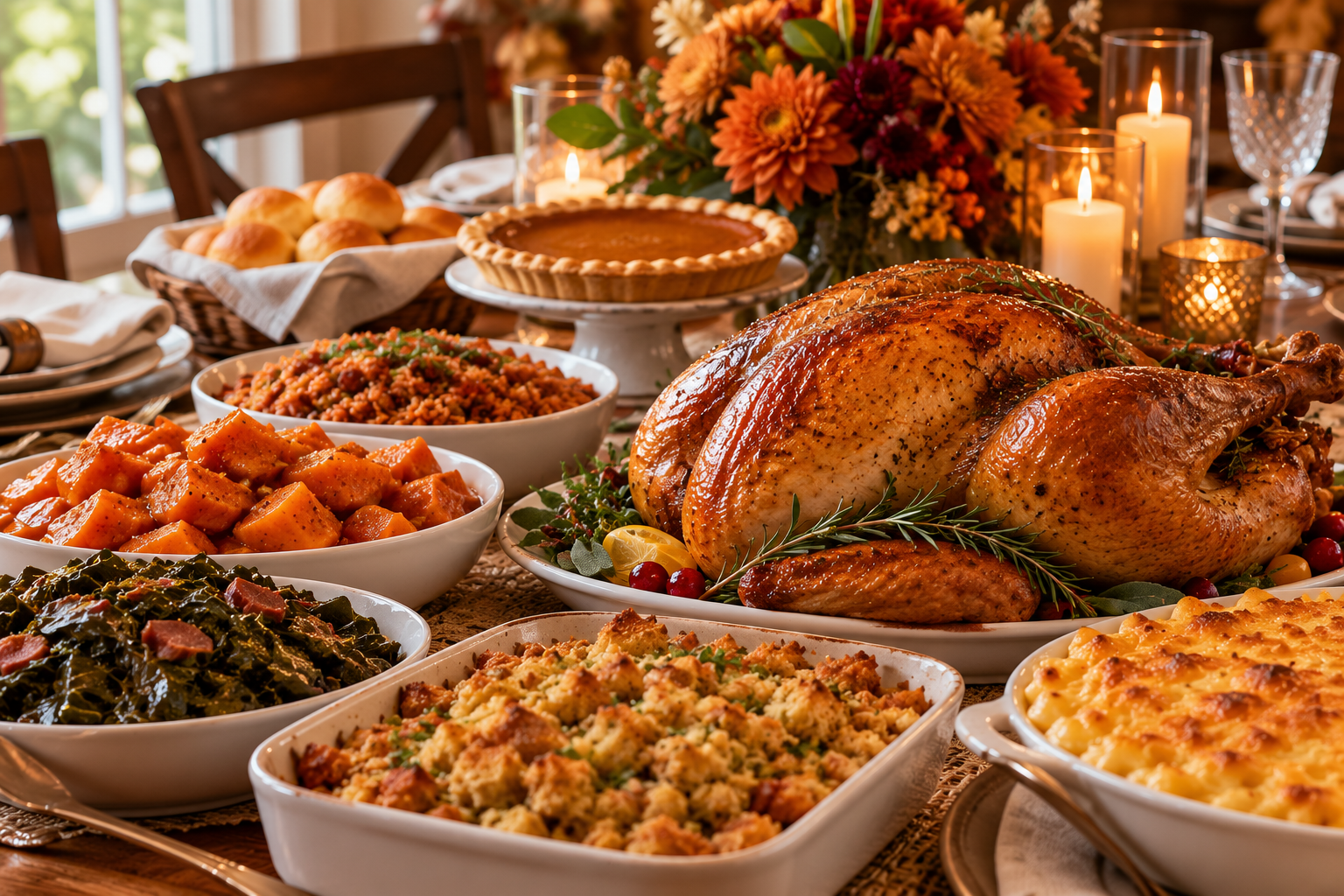
Ask ten families what belongs on a Thanksgiving table, and you'll probably get ten different answers. Turkey may be one of the foods most associated with Thanksgiving, but what surrounds that turkey can tell you a lot about where a family comes from, their culture, and the traditions that have been passed down through generations. In some Italian American families, Thanksgiving might include a pasta course or dishes like lasagna and stuffed shells alongside the turkey. Puerto Rican tables may feature pernil, arroz con gandules, and pasteles. In many Mexican American households, tamales find their way into holiday celebrations. And across the South, you'll find tables filled with cornbread dressing, macaroni and cheese, collard greens, sweet potatoes, and plenty of desserts. Even something as simple as the word "stuffing" can start a Thanksgiving debate. In many Southern households, especially Black households, it's dressing—and there's a good chance it's made with cornbread. The Thanksgiving Table Tells a Story That's one of the things we love about Thanksgiving. There may be an image of a "traditional Thanksgiving dinner" that we see in commercials and magazines, but real Thanksgiving tables are much more personal. Families take the basic idea of the holiday and make it their own. Recipes are passed down, adapted, and sometimes argued over. There's the dish that has to be made exactly the way Grandma made it, the relative everyone trusts with the macaroni and cheese, and probably at least one recipe nobody is allowed to experiment with. Those traditions are especially visible on Black Southern Thanksgiving tables. Many of the dishes we associate with the holiday—collard greens, cornbread dressing, macaroni and cheese, sweet potatoes, and rice dishes—are connected to a much broader story of African American and Southern foodways. Here in the Lowcountry, our Thanksgiving table reflects where we come from too. Rice has always been an important part of Gullah Geechee food culture, and the flavors and cooking techniques found throughout our holiday meals are influenced by generations of Lowcountry cooking. That's why Thanksgiving food can feel like more than just a meal. The table becomes a collection of family history. You may be eating something you've had every November since childhood without ever stopping to think about how many Thanksgiving tables that recipe sat on before yours. Some Traditions Are Worth Keeping Of course, keeping those traditions alive doesn't mean you have to spend three days in the kitchen. We love cooking—that part should be obvious by now—but we also know what Thanksgiving preparation can look like. Grocery shopping, chopping, baking, checking the oven, making sure everything finishes at the right time, and somehow trying to enjoy your family in between. That's where we're happy to help. Carolima's Thanksgiving ordering goes live this Thursday , with made-from-scratch dishes inspired by the Lowcountry flavors and traditions we grew up with. Whether we're preparing most of your meal or simply making the dishes you don't have time to tackle this year, the goal is the same: give you more time to actually enjoy Thanksgiving. Because no matter what's on your table—turkey or pernil, stuffing or dressing, pumpkin pie or sweet potato pie—the best Thanksgiving traditions are the ones that feel like your family. And if collard greens, cornbread dressing, macaroni and cheese, and a little something sweet sound like your kind of Thanksgiving, online ordering will be live on Thursday.
By Kamryn Jenkins • September 23, 2026
The first day of fall has arrived, which means pumpkin spice is officially everywhere—coffee, bread, cookies, candles, and just about anything else that can be flavored with cinnamon and nutmeg. Somewhere along the way, pumpkin spice became the flavor that tells America fall has arrived. But in many Black households, another flavor has been doing that for generations: sweet potato. Long before pumpkin spice became a seasonal marketing phenomenon, sweet potatoes had a place on our tables. Sweet potato pie at Thanksgiving, candied yams alongside holiday dinners, or simply sweet potatoes baked with butter, sugar, and warm spices. For many of us, the flavor isn't just associated with cooler weather. It's connected to family, holidays, Sunday dinners, and the people who taught us how those dishes were supposed to taste. A Deeper Connection to Sweet Potato Sweet potatoes have a long history in Southern cooking and became particularly significant in African American foodways. During slavery and in the generations that followed, they were an accessible, versatile crop that could be used in both savory and sweet dishes. There's an important cultural layer to that history as well. Enslaved Africans arrived in America with knowledge of West African root vegetables, including yams. African yams and American sweet potatoes aren't actually the same plant, despite the names often being used interchangeably today. But the cooking knowledge, preferences, and traditions Africans brought with them influenced how available ingredients were prepared in the American South. Over time, Black cooks made sweet potatoes their own, and dishes created from them became part of a much larger African American culinary tradition. Sweet potato pie may be one of the clearest examples. For generations of Black families, particularly in the South, it has held a place on the holiday table that pumpkin pie simply hasn't occupied in quite the same way. And that's what makes the annual pumpkin spice takeover interesting to us. Pumpkin and sweet potato work with many of the same warm fall spices—cinnamon, nutmeg, brown sugar, vanilla—but sweet potato carries a different kind of significance. For many Black families, there's memory attached to it. There's somebody's grandmother's pie, an auntie's recipe, a Thanksgiving table, or a family member who doesn't measure a single ingredient but somehow makes it taste exactly the same every year. Food can preserve history in ways we don't always recognize. A recipe doesn't have to be written down in a history book to tell us something about where we come from. Giving Sweet Potato Its Fall Moment At Carolima's, preserving our food traditions doesn't mean we're afraid to play with them. We can respect where a dish or ingredient comes from while still finding new ways to use it. That's part of the inspiration behind our Sweet Potato Cheesecake baked on a nut-free Chewie crust. Sweet potato brings a familiar flavor that many of us already associate with fall and the holidays, while the Chewie crust connects it to another dessert with deep Charleston roots. The result feels familiar and new at the same time—which, in many ways, is what we love about cooking. Food traditions aren't meant to become frozen in time. They survive because generations continue cooking them, talking about them, putting their own touches on them, and passing them along. We can appreciate the sweet potato pie that has been on our family's table for decades and still wonder what else we can create with the flavors we grew up loving. So, yes, fall has arrived, and pumpkin spice will probably be everywhere for the next few months. We're not mad at it. But around here, we're making a little more room for sweet potato and the history, memories, and traditions that come with it. Around here, fall tastes like sweet potato.
Show More